

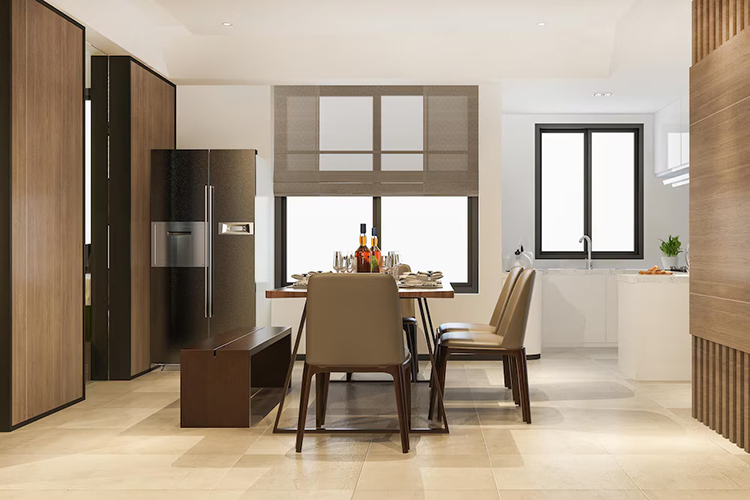
When selecting tiles for your home, each room presents unique challenges and requirements. From the bathroom to the kitchen, the right choice can enhance both the aesthetics and functionality of a space. Whether you're renovating or building a new home, it’s crucial to keep a few important factors in mind to ensure that your tiles meet both your design vision and practical needs. Here are five essential tips to remember when choosing tiles for different rooms in your home.
Every room in your home has a specific purpose, and the tiles you choose should reflect that. For high-traffic areas like hallways, kitchens, and bathrooms, durability is key. In contrast, bedrooms or living areas may allow for more decorative, delicate choices.
Choosing tiles based on the specific needs of each room will ensure longevity and functionality in the long run.
The size of the tiles can significantly affect the look and feel of a room. In smaller rooms, large tiles can create the illusion of more space, while smaller tiles add charm and detail to larger spaces.
Selecting the right tile size helps to balance the proportions of the room and achieve the desired visual effect.
Color and texture play a crucial role in setting the tone of a room. The tile color should complement the overall design scheme, while texture can add depth and character to a space.
In terms of texture, glossy tiles add a sleek, modern touch, while matte or textured tiles provide a more natural and rustic feel.
For rooms that are exposed to moisture, like bathrooms and kitchens, it's essential to choose tiles that provide adequate slip resistance. Tiles that are too smooth can become dangerously slippery when wet, so look for tiles with a textured or non-slip finish for these areas.
Safety should always be a priority in moisture-prone areas, and slip-resistant tiles can help prevent accidents.
Some tiles require more maintenance than others, so it's important to choose tiles that fit your lifestyle. Consider the amount of time you're willing to invest in cleaning and upkeep before making your selection.
Balancing aesthetics with practicality ensures that your tiles will look great and remain functional for years to come.
Choosing the perfect tile for each room in your home is about balancing style with practicality. By considering the room’s function, selecting the appropriate size, and paying attention to color, texture, and maintenance, you can create a cohesive and beautiful home that meets your needs. Whether you’re designing a sleek modern kitchen or a cozy bedroom retreat, the right tiles can make all the difference.